Welcome To Sherayzen Law Office – International Tax Lawyers Experienced, Efficient and Reliable Tax Law Firm
CALL NOW TO SCHEDULE A CONFIDENTIAL CONSULTATION AT
952-500-8159
 |
| 


As was the case in the year 2023, I expect that Streamlined Domestic Offshore Procedures will continue to be the flagship offshore voluntary disclosure option in 2024 for US taxpayers who reside in the United States. This is why noncompliant US taxpayers should understand well the main advantages and disadvantages of participating in the 2024 Streamlined Domestic […]
Streamlined Foreign Offshore Procedures has been the best voluntary disclosure option since its creation in 2014 for eligible US taxpayers with undisclosed foreign assets and foreign income, and I predict that it will remain so in the year 2024. Let’s discuss in more detail the unique advantages of the 2024 Streamlined Foreign Offshore Procedures. 2024 Streamlined Foreign Offshore Procedures: Background […]
On December 4, 2023, Banque Pictet et Cie SA (“Banque Pictet” – a Swiss private bank) entered into a deferred prosecution agreement with the US government. In this article, I will discuss Banque Pictet Deferred Prosecution Agreement and explain its importance. Banque Pictet Deferred Prosecution Agreement: Facts Leading Up to the Agreement The Pictet Group was […]
An increasing number of submissions under the Streamlined Domestic Offshore Procedures (SDOP) has been subject to an IRS audit; this trend will undoubtedly continue in 2024. In this article, I will explain what is the 2024 SDOP Audit and what a taxpayer should expect during the Audit. 2024 SDOP Audit: Background Information on Streamlined Domestic Offshore Procedures Streamlined Domestic […]
Since 2014, Streamlined Domestic Offshore Procedures (“SDOP”) has probably been the most popular offshore voluntary disclosure option, and I predict that it will remain so in the year 2024. In this article, I would like to explore main four 2024 SDOP advantages which US taxpayers should take into account while considering an offshore voluntary disclosure this year. 2024 […]
A prison term of up to 10 years
Criminal penalties of up to $500,000
or both


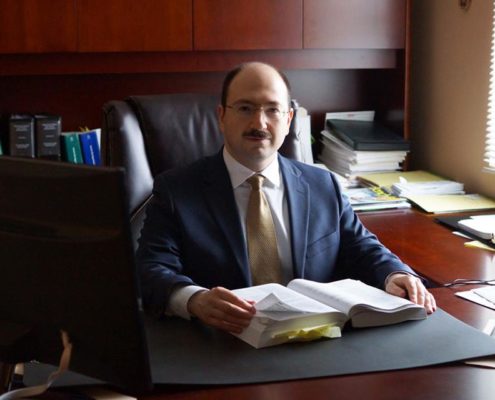
Eugene Sherayzen, Esq.
International Tax Attorney
Thousands of FBARs, FATCA Forms 8938, Foreign Business and Trust Forms (3520, 3520-A, 5471, 8865, 926, etc.) Filed
Hundreds of Offshore Voluntary Disclosure Cases Successfully Completed
Millions of Dollars Saved in Potential IRS Civil Penalties and Tax Return Liabilities
Criminal Prosecution Successfully Averted
Foreign Account Tax Compliance Act, Form 8938, FATCA Lawyers, International Tax Lawyers
Report of Foreign Bank and Financial Accounts, FinCEN Form 114, TD F 90-22.1, FBAR Penalties, FBAR Lawyers
IRS Offshore Voluntary Disclosure Program, OVDP, International Tax Lawyers
IRS Streamlined Domestic Offshore Procedures, SDOP lawyers, International Tax Lawyers
FBAR Audit, Business IRS Audit, International Tax Return IRS Audit, Material Advisor IRS Audit, International Tax Lawyers
Reporting Foreign Inheritance, Reporting Foreign Gifts, Form 3520, International Estate Planning, International Tax Lawyers

High Income Non-Filer IRS Compliance Campaign Update: Notice CP-59 With International Tax Compliance Focus
/in IRS Audit Lawyers, Legal Notes /by ManagerOn February 29, 2024, the IRS announced a major update to one of its compliance campaigns that focuses on high income non-filer taxpayers. Let’s discuss this major update to the High Income Non-filer IRS Campaign in more detail. High Income Non-Filer IRS Campaign: Background Information As part of its extensive tax enforcement planning in the […]
Garland FBAR Attorney | International Tax Lawyer Texas
/in FBAR Lawyers, Legal Notes /by ManagerIf you reside in Garland, Texas and have unreported foreign bank and financial accounts, you may be looking for a Garland FBAR Attorney. Sherayzen Law Office, Ltd. is a leader in FBAR compliance, including offshore voluntary disclosures concerning delinquent FBARs, consider us in your search. Let’s understand why this is the case. Garland FBAR Attorney: International Tax Lawyer First of […]
McKinney Foreign Trust Attorney | International Tax Lawyers Texas
/in foreign trust lawyer, Legal Notes /by ManagerIf you live in McKinney, Texas, and you are an owner or a beneficiary of a foreign trust, you need to secure the help of a McKinney Foreign Trust Attorney to properly comply with US international tax laws. You should consider retaining Sherayzen Law Office as your McKinney Foreign Trust Attorney. Sherayzen Law Office is […]
IRS Corporate Jet Audits Campaign | MN IRS Audit Tax Lawyer
/in international tax lawyer, IRS Audit Lawyers, Legal Notes /by ManagerOn February 21, 2024, the IRS announced that it will begin dozens of audits of business aircraft usage as part of a new tax enforcement campaign. In this short article, I will discuss these new IRS corporate jet audits in more detail. IRS Corporate Jet Audits: Focus on Personal Use of High-Net Individuals The IRS […]
Second Quarter 2024 IRS Interest Rates on Overpayment & Underpayment of Tax
/in IRS Lawyers, Legal Notes /by ManagerOn February 21, 2024, the IRS announced that the Second Quarter 2024 IRS interest rates on overpayment and underpayment of tax will remain the same as in the First Quarter of 2024. This means that, the Second Quarter 2024 IRS interest rates will be as follows: Internal Revenue Code (“IRC”) §6621 establishes the IRS interest rates on overpayments and underpayments of tax. Under §6621(a)(1), the overpayment […]